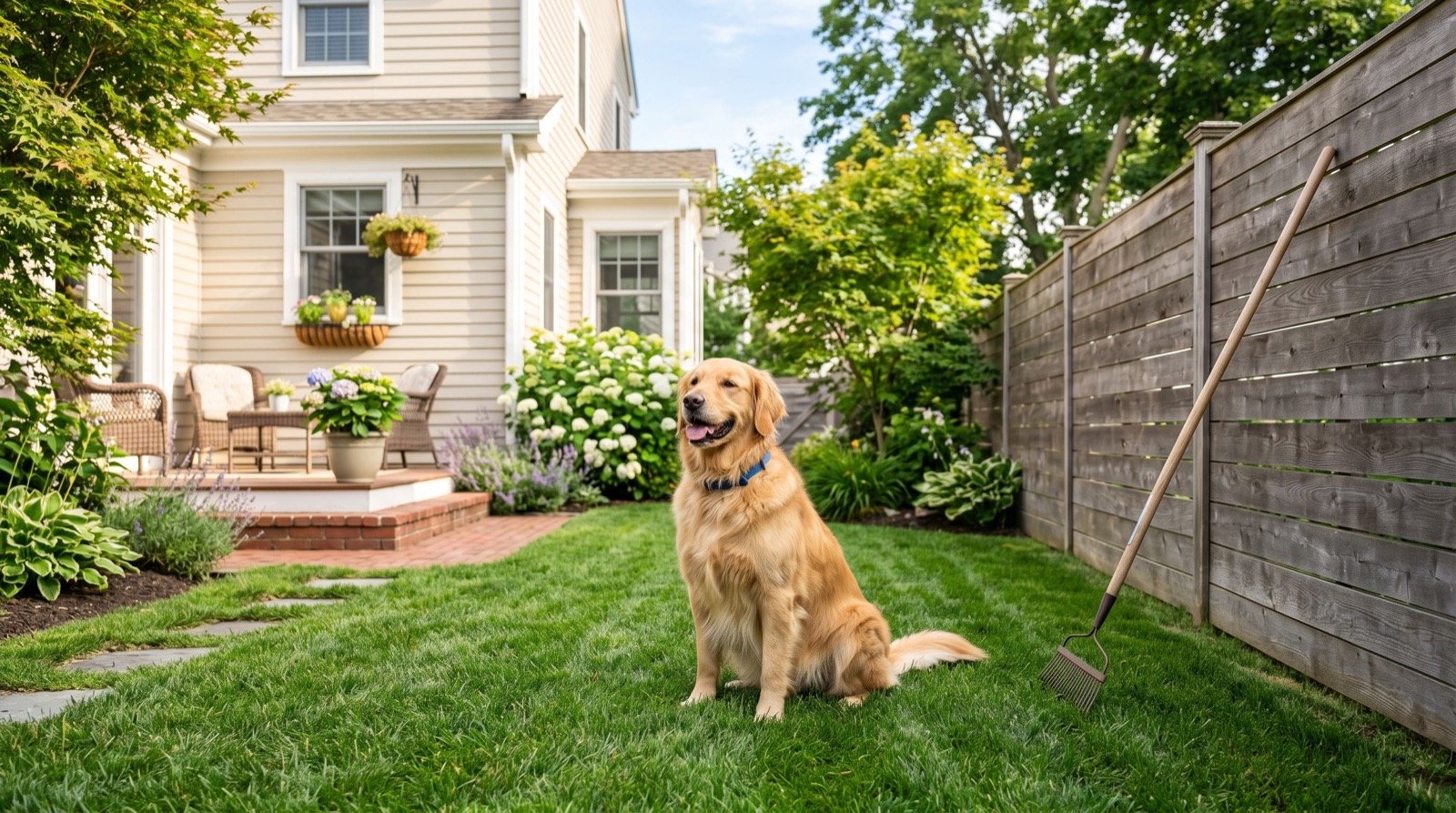
Pooper Scooper Buying Guide 2026: Pick the Right Tool
Every dog owner eventually faces the same unglamorous chore, and the right pooper scooper turns a dreaded task into a ten-second habit. In 2026, the market has matured well beyond the flimsy plastic rakes of a decade ago, offering ergonomic handles, rust-proof jaws, and bag-attached designs that keep your hands far from the mess. This guide breaks down what actually matters so you buy once and never wince at cleanup again.
Whether you manage a tidy courtyard or a sprawling backyard, choosing wisely saves your back, your lawn, and your patience. Let us walk through the mechanics, materials, and buying signals that separate a great tool from landfill fodder.
Why the right pooper scooper matters more than you think
Dog waste is not just an eyesore. The U.S. Environmental Protection Agency classifies pet waste as a genuine nonpoint source of water pollution, capable of carrying bacteria and nutrients into storm drains and local waterways. Prompt, consistent cleanup protects both your family and the neighborhood watershed.
There is also a health angle close to home. Uncollected waste attracts flies, spreads parasites, and burns yellow patches into grass. A reliable tool removes the friction that makes people skip the job, and consistency is the whole battle.
The hidden cost of cheap tools
Bargain scoopers feel like a win at checkout, then bend, jam, or snap within a season. Replacing them repeatedly costs more than a single durable unit. Investing in quality gear upfront is the same logic homeowners use when hiring quality service providers instead of the cheapest bidder.
Types of scoopers compared
Not all designs suit all yards. Your surface, mobility, and dog size should steer the choice. Here is how the main styles stack up.
| Type | Best surface | Bend required | Cleanup speed |
|---|---|---|---|
| Rake & tray | Grass, gravel | None | Fast |
| Jaw / claw | Any surface | Minimal | Very fast |
| Bag-attached grabber | Any surface | Minimal | Fastest |
| Handheld spade | Hard flat only | High | Slow |
For most owners, a long-handled jaw or a bag-attached grabber wins. It works on grass, concrete, and mulch alike, and it keeps you upright the whole time.
Features that actually move the needle
Marketing copy loves buzzwords, but only a few features change your daily experience. Prioritise these and ignore the rest.
- Handle length: aim for waist-to-chest height so you never stoop.
- Jaw material: powder-coated steel or reinforced polymer resists bending and rust.
- Grip texture: rubberised handles matter in rain and Pakistani summer heat.
- Bag compatibility: a built-in bag clip means no separate container to rinse.
- Storage footprint: a hook hole or slim profile keeps garages tidy.
A standout modern option is a hands-free Pooper scooper that clips the bag directly onto the tool, so waste drops straight in and you tie off without ever touching it. Pairing that with heavy Dog duty Bags that resist punctures completes a genuinely mess-free routine.
What is the best pooper scooper for a bad back?
If bending triggers pain, a long-reach jaw or bag-attached grabber is non-negotiable. Look for a lightweight aluminium shaft, a trigger grip that requires low hand force, and a jaw wide enough to scoop in one pass. Physiotherapists frequently note that repetitive stooping strains the lumbar spine, so an upright tool is a small investment in long-term comfort.
Matching the tool to your dog and yard
A Chihuahua on a balcony and a Labrador on an acre need different gear. Larger dogs produce more volume, demanding a wider jaw and tougher bags. Multi-dog homes benefit most from bag-attached designs that handle several pickups per walk.
Surface matters too. Gravel and mulch reward a rake-style edge that sifts, while grass and hard patios pair perfectly with a clamping jaw. If you rotate between surfaces, the jaw or grabber style is the most forgiving all-rounder.
A quick decision checklist
- Measure the handle length against your waist height before buying.
- Confirm the jaw opens wide enough for your largest dog.
- Check whether bags attach directly or need a separate holder.
- Verify the material is rust-proof if you store it outdoors.
- Read recent 2026 reviews for real durability feedback.
Caring for your scooper so it lasts
Even the best tool degrades without basic care. Rinse the jaw after use, dry it before storage, and hang it out of direct sun to protect any rubber grips. A quick monthly wipe with diluted disinfectant keeps bacteria from building up on contact surfaces.
Store bags in a cool, dry spot so they stay pliable rather than brittle. The American Veterinary Medical Association recommends prompt waste removal as part of responsible ownership, and well-maintained gear makes that habit effortless. You can review their broader guidance on responsible dog care for context.
Common mistakes buyers make
Even careful shoppers stumble on a few predictable traps. Avoid these and your first purchase will likely be your last for years.
The most frequent error is buying purely on price, only to replace a bent tool within months. The second is ignoring handle length, which leaves tall owners hunched and miserable. The third is forgetting bag compatibility, then discovering their bags slip off or tear on every use.
Another overlooked factor is climate. In hot, humid regions, cheap plastic grows brittle and rubber grips degrade under direct sun. Storing the tool in shade and choosing UV-resistant materials adds years to its life. A little foresight here saves real money and repeated trips to the store.
Finally, many owners underestimate how much a hands-free bag system improves consistency. When cleanup is genuinely quick and clean, you actually do it daily, and that habit is what keeps a yard healthy over the long run.
Frequently Asked Questions
How often should I use a pooper scooper in my yard?
Aim for daily pickup, or at minimum every other day. Frequent removal prevents parasite build-up, protects your lawn from burn spots, and keeps odors and flies under control, especially in warm months.
Are metal or plastic scoopers better?
Metal jaws generally last longer and resist bending, making them ideal for large dogs and heavy use. Quality reinforced plastic can work for small dogs and lighter duty, but check reviews for cracking in cold or sun.
Can I use regular grocery bags with a scooper?
You can, but thin grocery bags tear easily and often lack the size for a full pickup. Purpose-made heavy-duty waste bags resist punctures, seal odors, and fit bag-attached tools securely, which is safer and cleaner.
Is a bag-attached scooper worth the extra cost?
For most owners, yes. Attaching the bag directly means waste never touches the tool, cleanup is faster, and there is no tray to rinse. The convenience typically pays for itself within a few weeks of daily use.
Final thoughts
The right pooper scooper is a small purchase that quietly upgrades daily life, protecting your back, your lawn, and your local water supply. Focus on handle length, a durable jaw, and easy bag attachment, then commit to consistent cleanup. In 2026 there is no reason to tolerate a flimsy tool or a smelly yard. Ready to make cleanup effortless? Choose a hands-free, bag-ready scooper today and turn a dreaded chore into a ten-second habit.